Thermodynamic Load Balancing: Engineering Protocols for Residential Solar Optimization

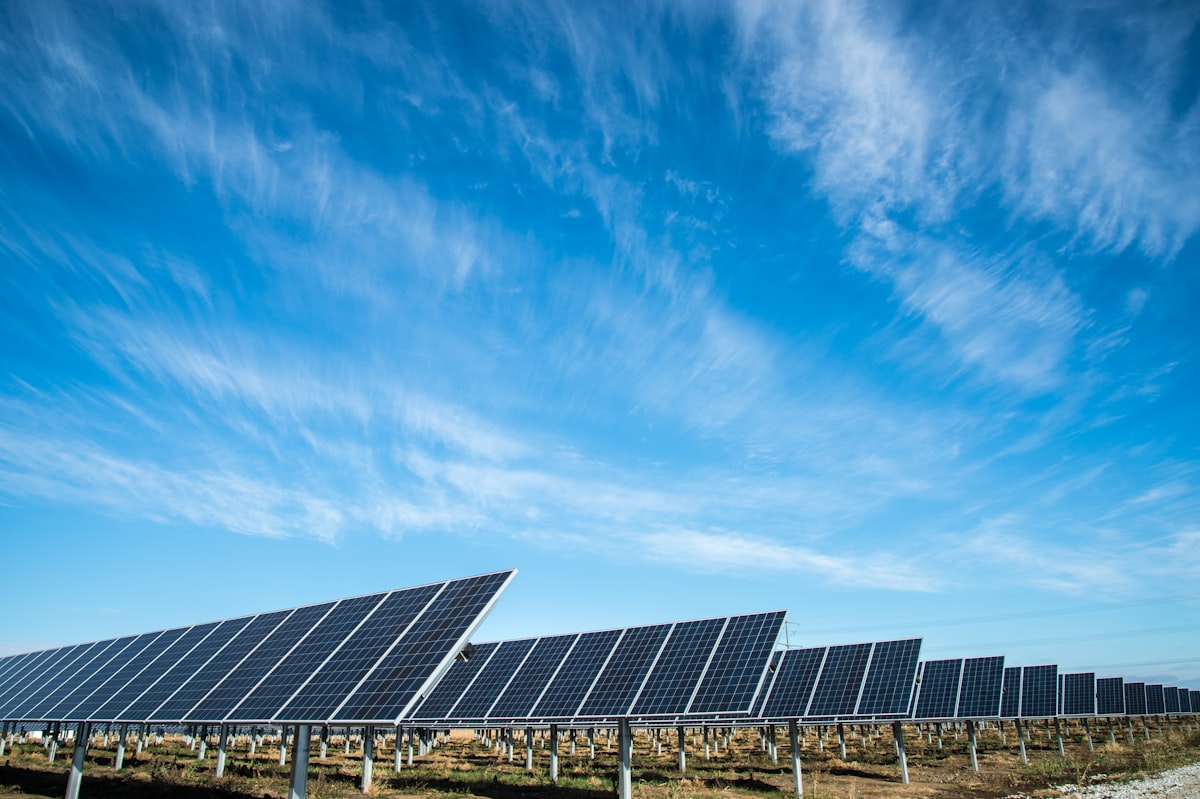
As we advance into 2026, the efficacy of residential photovoltaic (PV) systems is no longer determined solely by hardware specifications, but by the strategic synchronization of domestic load profiles with peak irradiance periods. In regions like Perth, maximizing solar efficiency requires a transition from passive consumption to active "Load Shifting." This engineering approach aligns the operation of high-energy inductive loads—such as HVAC systems and water heaters—with the diurnal solar cycle, significantly reducing the Levelized Cost of Energy (LCOE).
The optimization of a residential energy grid involves managing the delta between energy production and household demand ($D$). By implementing smart monitoring and high-efficiency appliance integration, homeowners can mitigate the "Duck Curve" phenomenon, where grid reliance peaks exactly as solar production reaches zero.
- Diurnal Synchronization: Scheduling high-draw appliances during peak solar irradiance (typically 11:00 to 15:00) maximizes direct self-consumption.
- Inverter Efficiency: Utilizing inverter-based appliances reduces startup current surges, extending the operational lifespan of PV inverters and battery storage.
- Storage Buffer: Implementing Lithium-Iron-Phosphate (LiFePO4) storage solutions allows for the utilization of excess daytime generation ($E_{gen}$) during nocturnal peak demand.
- Thermal Inertia: Pre-cooling or pre-heating living spaces during daylight hours leverages the building's thermal mass, reducing high-intensity energy requirements in the early evening.
- Real-Time Analytics: Utilizing Energy Management Systems (EMS) provides the data granularity needed to identify and eliminate "vampire" standby loads.
Energy Optimization Framework
1. Load Shifting: Temporal Alignment of Consumption
The fundamental principle of solar efficiency is the reduction of grid-exported energy in favor of direct consumption. Since Feed-in Tariffs (FiT) are often lower than the retail cost of electricity, using energy as it is produced offers the highest return on investment. The net energy balance ($E_{net}$) can be expressed as:
$$E_{net} = \int (P_{gen}(t) - P_{con}(t)) \, dt$$
By automating energy-intensive tasks—such as washing cycles or pool filtration—during the peak production window, the user minimizes the energy bought from the grid during expensive evening peak hours.
2. Hardware Synergy: Inverters and LED Integration
Modern residential grids benefit significantly from Variable Speed Drive (VSD) technology. Inverter air conditioners, for instance, modulate their power consumption rather than switching on/off at max capacity. This prevents significant voltage drops and stress on the solar inverter's circuitry. When combined with LED lighting and high-efficiency thermal appliances, the total household base load is lowered, freeing up more solar capacity for charging storage batteries.
3. System Monitoring: Real-Time Irradiance Analytics
In 2026, professional solar monitoring goes beyond total daily yield. Advanced apps now provide real-time irradiance forecasting and consumption heatmaps. This data allows users to identify "phantom loads"—devices that consume power while in standby. By eliminating these inefficiencies, the system's capacity factor is improved, ensuring that more generated energy is used for productive work rather than wasted as heat.
4. Storage Solutions: Managing the Generation Gap
Solar battery storage acts as a hydraulic accumulator for electricity. It captures the surplus energy generated during the solar peak and discharges it when solar production ceases. This is critical for maintaining a stable domestic grid during "cloud transients" or at night. The integration of a battery system effectively decouples energy consumption from the presence of sunlight, providing 24-hour reliability.

5. Passive Environmental Control and Insulation
A home's "thermal envelope" dictates its energy demand. High-quality insulation and proper ventilation reduce the duty cycle of HVAC units. By utilizing programmable thermostats to pre-cool a home during the afternoon using free solar energy, the house maintains a stable temperature into the evening, negating the need for high-draw cooling when the solar panels are inactive.
Frequently Asked Questions
How does cloud cover affect my system's real-time efficiency?
While cloud cover reduces direct irradiance, modern monocrystalline panels can still capture diffuse sunlight. Efficiency may drop to 10%–25% of peak capacity during heavy overcast. Battery storage is essential to maintain consistent power during these transient fluctuations.
Can I truly achieve zero-grid reliance?
Yes, this state is known as "Net Zero." It requires an appropriately scaled PV array, significant battery storage capacity (usually 10 kWh or more), and rigorous habit management to ensure that consumption never exceeds the combined output of solar and stored energy.
Posting Komentar untuk "Thermodynamic Load Balancing: Engineering Protocols for Residential Solar Optimization"